In this guide 8 sections
“Do yall do weekly service or bi weekly service?”
That came up in my Facebook group this month. The second half of the question was the better one: what do you do in the off season?
Here is how I run it after 34 years on the mower. Every customer gets a fixed cycle. Weekly, fortnightly (every two weeks), or four-weekly in the slow months. Nothing in between, and no “just call me when it needs it”.
The short answer
- Fortnightly is the default. It suits most home lawns and most customers’ budgets.
- Weekly is for fast growth and fussy customers. Peak season, big growers, people who want it looking perfect all the time.
- Never three-weekly in peak season. The grass gets away, the job takes longer, and it wrecks your schedule.
- The longer the cycle, the more you charge per cut. Long grass is slower to cut, not cheaper.
- Set the cycle when they sign up. Not on the day you turn up.
Weekly vs fortnightly: what each one is good for
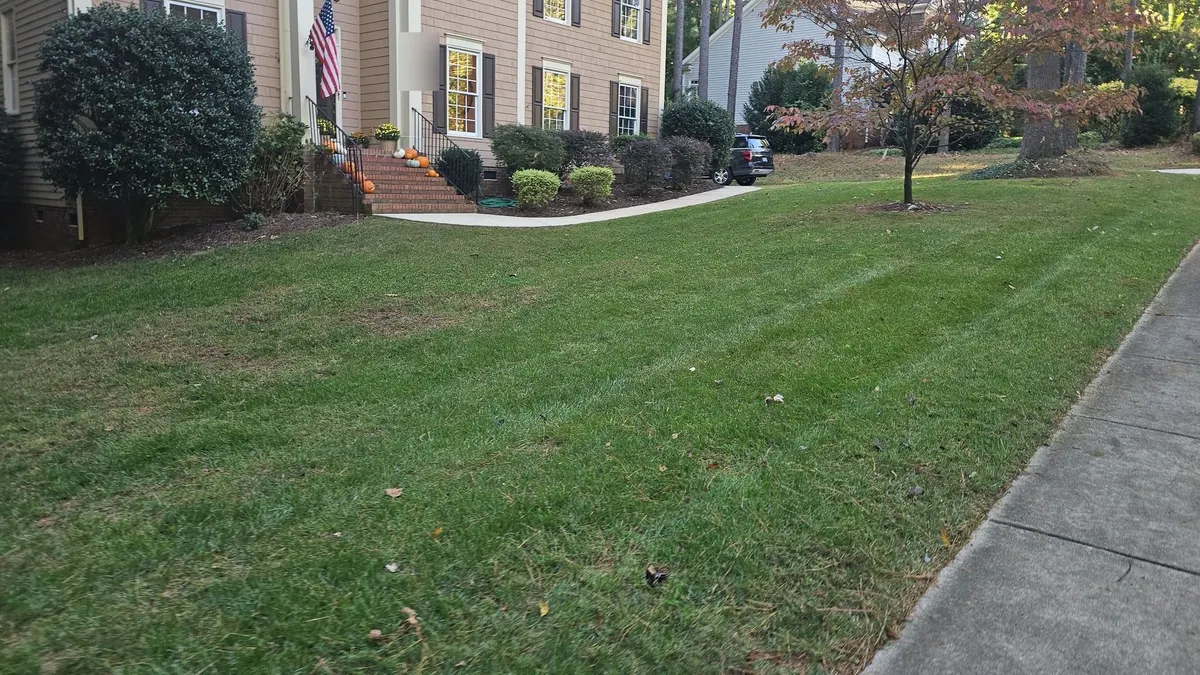
Fortnightly is where most of my round sits. For an average home lawn in a normal growing season, every two weeks keeps it tidy without the customer feeling like they’re paying for a mow they didn’t need.
It’s also the cycle I push year round. Grass that gets cut every two weeks stays healthy, and you never take more than a third off the blade in one go. That’s the rule I don’t break.

Weekly is for three kinds of lawn:
- Lawns growing flat out in peak season, where two weeks means long grass and clumps of clippings.
- Customers who want it looking perfect every weekend. They’ll happily pay for it.
- Commercial sites and rentals being shown, where it has to look good every day.
Weekly is also an easy upsell. If a fortnightly customer mentions the lawn “looks rough by the second week”, offer weekly over spring. More money from a lawn you’re already driving to. More: Upselling lawn care customers.
Why I never offer three-weekly
Three-weekly sounds like a nice middle ground. It isn’t. In peak season it causes two problems.
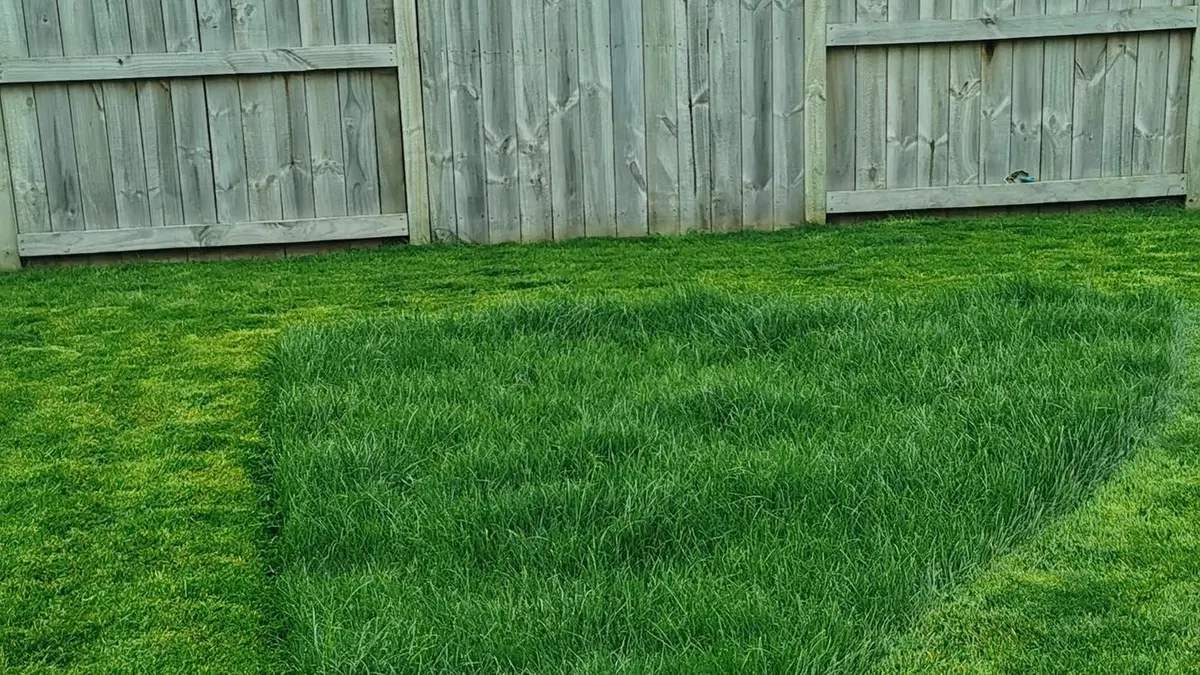
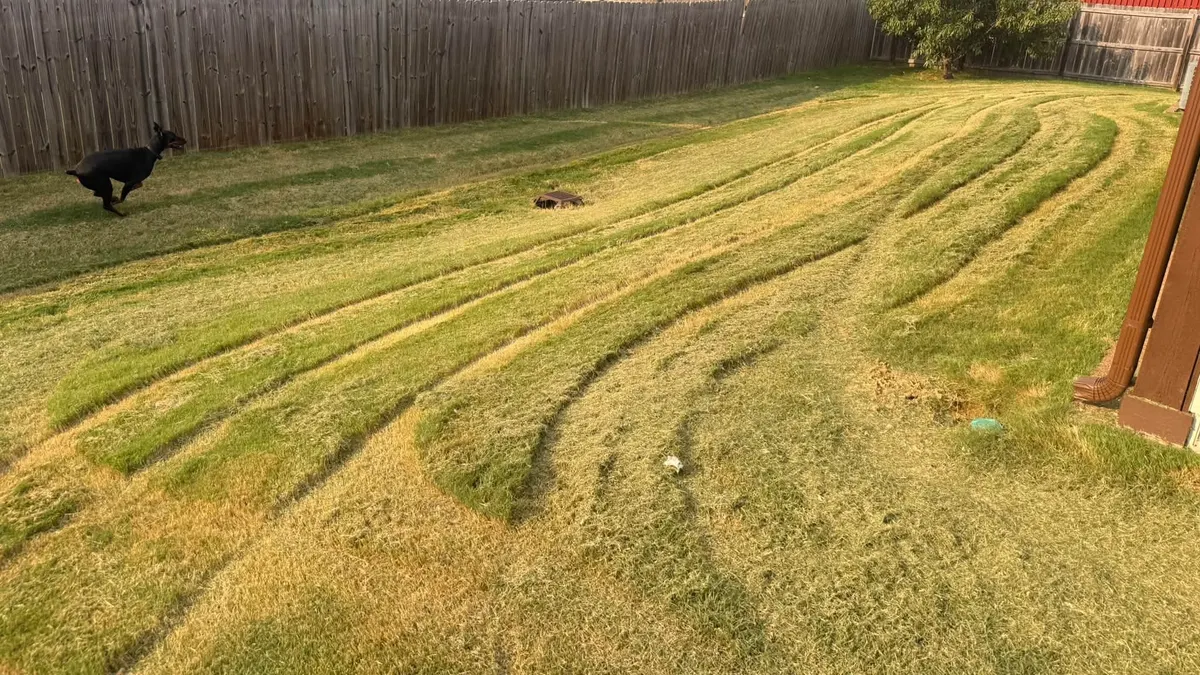
The grass gets away. Three weeks of spring growth is too much to take off in one cut. You either scalp it and the customer complains it’s gone brown, or you go over it twice and the job takes twice as long.
It wrecks your schedule. Weekly and fortnightly lawns line up. Every lawn in a street can be on the same day, every week or every second week. A three-weekly lawn lands on a different week every time. Soon you’ve got odd lawns all over the calendar and a van driving across town for one job.
I plan my round in small areas, one area a day. A three-weekly lawn breaks that. More: The best way to plan my daily lawn care route.
So when someone asks for three-weekly in spring, I tell them straight: “We do weekly or fortnightly over the growing season. Which suits you best?” Most pick fortnightly. A few walk. That’s fine.
How I price each cycle
This is the part most new guys get backwards. They think a customer who wants you less often should pay less. Per cut, they should pay more.
A lawn cut every week is short, dry and quick. A lawn cut every four weeks is thicker, wetter, fills the catcher faster and takes longer to clear. Same lawn, more work. So the longer the cycle, the higher the price per visit.
Here is a made-up example for one average lawn. Use your own numbers:
- Weekly: $40 a cut
- Fortnightly: $45 a cut
- Four-weekly (slow months only): $55 a cut
The weekly customer still pays you the most over a month. You just don’t punish them for keeping it short. And the four-weekly customer pays for the extra time it takes, instead of you eating it.
Whatever the cycle, the minimum still applies. Mine is $35 for a regular mow. More: What should your minimum charge be for lawn mowing?
Not sure what a lawn is worth in the first place? Run it through my free lawn price calculator. More on quoting: How to quote on lawns: the complete guide.
Set the cycle on day one
The cycle gets agreed when the customer signs up. I tell every new customer the same thing:
- Your lawn is on a weekly, fortnightly or four-weekly cycle.
- No one-off skips. If you need to cancel, text me 24 hours before.
- If you want to change cycle, tell me before I arrive, not after.
That last one matters. I don’t stand at the gate deciding if a lawn “needs it” this week. I mow on the cycle. The mower decides when I arrive, not the customer on the spot.
It sounds strict. It’s actually easier for the customer. They never have to think about it. The lawn just gets done.
The night before, I send one text to everyone booked: leave the gate open, move the car, pick up after the dog. More: Lawn care text message templates.
What I do when growth slows down
This was the real question in the group. In the slow months, customers start texting to skip a mow. If you let it happen lawn by lawn, your schedule falls apart.
Here is what I do:
- Keep everyone on fortnightly by default. I encourage customers to stay on two weeks all year. Most do, because changing it means they have to contact me. Almost nobody bothers.
- Offer four-weekly, but only if they ask. Anyone who wants it has to tell me before the visit. I don’t guess.
- Charge four-weekly at the higher price. The grass is thicker and wetter, so it takes longer.
- Reset everyone on one date. Everyone on four-weekly goes back to fortnightly from the first mow of spring. One date, so restart dates aren’t scattered all over the calendar.
If a lawn is barely growing, I’d rather go every two to four weeks than stop. A customer who stops for winter is a customer someone else can pick up in spring.
Use the slow months for extra work too: garden beds, hedges, gutters, tidy-ups. More: How do you manage those winter lawns? and Running a lawn care business in winter.
How cycles change how many lawns you can carry
Your mix of weekly and fortnightly lawns decides how big your round can get.
A fortnightly lawn takes half the slots of a weekly one. That’s why fortnightly works for a solo operator. On my own, I’ve found you start struggling past about 100 fortnightly accounts. A two-person crew can handle about 160 fortnightly lawns, but then someone else has to do the quoting, the admin and the repairs.
Fill a round with weekly lawns and you’ll hit your limit with half the customers. That’s not bad. Weekly lawns are fast and pay well. Just know which you’re building. More: How many lawns can you mow in a day?
You can check your own limit with the free route capacity calculator.
Do today: write down the cycle every customer is on. Anyone on “call me when it needs it” or three-weekly gets a text this week: “From next month we’re running everyone on weekly or fortnightly. Which suits you best?”
Frequently asked questions
Is it better to mow weekly or every two weeks?
For most home lawns, every two weeks is enough. Weekly is better in peak season for fast-growing lawns and for customers who want it looking perfect all the time. Never take more than a third of the grass blade off in one cut.
Should I charge less for fortnightly mowing than weekly?
No. Charge more per cut for fortnightly than weekly. The grass is longer, so the job takes longer. The weekly customer still pays you more over a month.
Should I offer three-weekly mowing?
Not in the growing season. The grass gets too long to cut well in one go, and three-weekly lawns land on a different week each time, which breaks up your schedule.
What do I do with mowing customers in winter?
Keep them on fortnightly by default. Let them switch to four-weekly only if they ask before the visit, charge more per cut for it, and move everyone back to fortnightly on one date in spring.
What does bi-weekly mowing mean?
In the US, bi-weekly usually means every two weeks. In New Zealand and Australia it’s called fortnightly. Check with the customer, because some people use bi-weekly to mean twice a week.

34 years mowing lawns. Built it up to five vans and 450 contracts, then cut back to a 20-hour week on the best lawns. My story.
Want more lawns?
I build lawn care websites first, free. You see it live before you pay a cent.