A lawn care business paid for our home, cut our working week in half, and still puts us in the top few businesses in town. This is how it happened, mistakes included.
I started my first lawn care business on the Hibiscus Coast, just north of Auckland. Things were simple then. I made some flyers, put them in letterboxes, and the phone started ringing. I didn't have much gear: an old junky mower, a line trimmer, and a station wagon to carry them. Every customer had somewhere to dump the grass, so I never had to take anything away.
I started advertising in the paper and the calls kept coming. The flyers were still going strong at about three leads per hundred. Don't rush out and try that now. The last time I tried, it was one in five hundred.
When I was working around 20 hours a week I did a deal with the local mower shop. I bought a new mower and gave them three cheques, each for a third of the price. The first was due that day, the other two were post-dated a month and two months out. That worked so well I did it a few times when I needed gear.

I came across a way of building my business faster than any other guy in town without spending any money. The other contractors noticed my business growing but had no idea what I was doing. This is the first time I've written about it.
A typical workday was to do all the work booked for that day. I was usually home by lunchtime, and then it was time to grow. I'd pull out the phone book, open the white pages, start at A, and make call after call. I wasn't pushy. My script went something like this:
If they weren't sure what I meant, I'd add "I'm a lawn care contractor," then wait quietly. If they wanted a quote, I'd confirm the address and book it for the next day. Less than three months in, I was working a 40-hour week.
I loved the calls coming in, rushing out with a tow truck driver mindset, doing the quote, getting the lawn, booking a regular cut and moving to the next one. The problem was that once I filled up with yards I had no time left to quote. I couldn't build any more. I'd become a lawn care guy, and I wasn't happy.
I started asking the contractors I knew if anyone wanted some lawns. I tried to give away my lowest twenty so I could build again. Then something happened I hadn't considered. I met a guy who wanted to buy them.
I sold them on the condition I could keep working the area, agreed not to approach the customers I'd sold, and carried on. That one sale changed how I ran the business for the next twenty years.
Time to get serious. I timed every lawn and timed my travel between jobs for three months. Then I built a formula that gave me the real hourly rate of every lawn:
It puts every lawn on an even playing field. If you only look at the hourly rate on the lawn itself, you'll overcharge the big lawns and underprice the small ones. The spreadsheet that does this for you is on the Grow Your Income page.
Once I had the times, it was easy to see which lawns needed a price rise and which to sell. In New Zealand we work all year. In winter most lawns go from two-weekly to three or four-weekly, and most contractors advertise for tree work and hedges to get by.
Not me. I kept advertising for regular lawns. I got even more leads in winter because nobody else was advertising, and built back up to a 40-hour week. That meant when spring came and everyone went back to two-weekly, I'd suddenly have a 60-hour week.
I didn't want to work that hard. So a month before spring I'd advertise my lowest-paying lawns for sale, which also happens to be when you get top dollar for a round. I'd sell about a third, with a start date in the first week of spring, take a lump sum, and go straight back to 40 hours. Another smaller round in summer, sometimes one in autumn. I was content, because I still got to build.
After about ten years the area was getting tight. Population 10,000, and I'd turned over maybe 10 to 12 percent of it. I decided to grow instead of sell. I started driving half an hour to Auckland's North Shore every other day, employed my first worker, and put him out with a van and trailer.
Everything felt great until one Saturday I saw my van out on the North Shore. Usually that would make me feel good. That day I felt sick. He'd been doing plenty of work for my customers after hours, using my tools, wearing my uniform, and taking cash. I let him go and sold his round.
If a worker takes a vehicle home, every bit of equipment stays in my garage.
Around 1999 I met a girl from Hamilton. I fell in love, sold my business and moved. We married in 2010.
The great thing about a lawn care business is you can start again anywhere. As long as grass grows, you have a job. I went back to the phone, quote and book method and was full time again within a few months, and soon back to building and selling rounds.
My wife worked the business with me, which let us grow bigger. We've always run separate vehicles, because you get through the work about 30 percent faster solo. It's also nice having your van set up the way you like it.

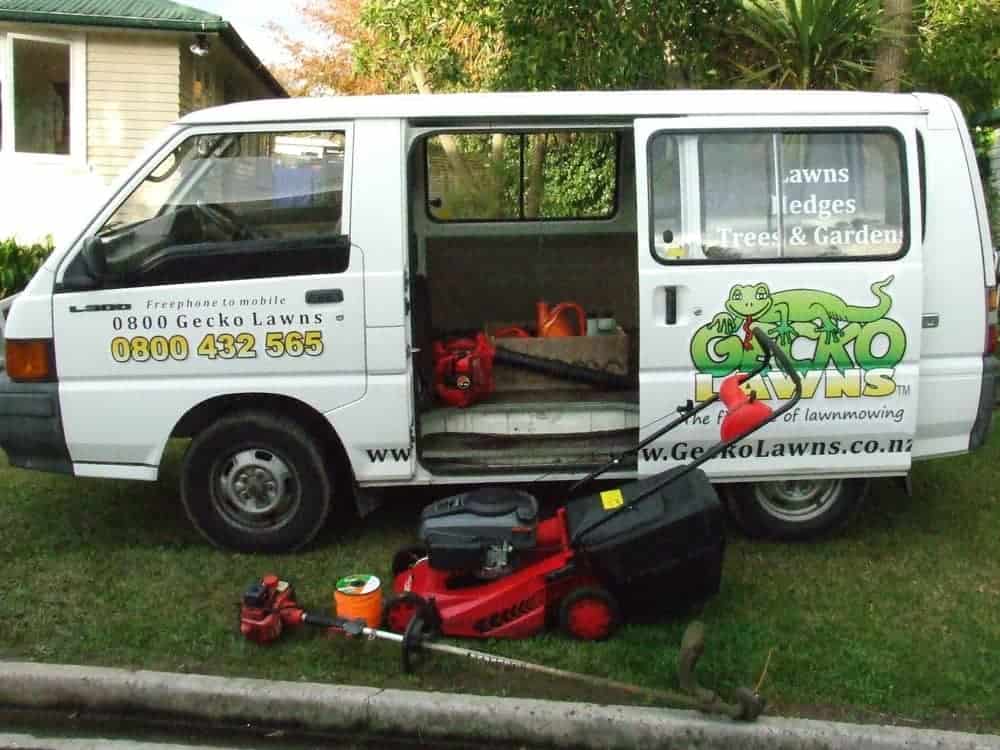
In 2007 we stopped selling lawns, changed our name to Gecko Lawns and set out to put a vehicle on the road every year. It took a while to get right.
Subcontractors first. A couple of years of quality problems, no branding, and trying to tell other lawn businesses how to do their job. A lot of bad feeling. We sold those lawns and tried again.
Owner-operators next. The first ran for over a year before we disagreed on direction. We gave them the lawns they had and they changed the name. A clause in our agreement covered it, and we're still on good terms.
Then a husband and wife team. We trained them for a month, they worked two more weeks, then told us on a Sunday they'd changed their minds.
No more owner-operators under our brand. Back to building and selling rounds.
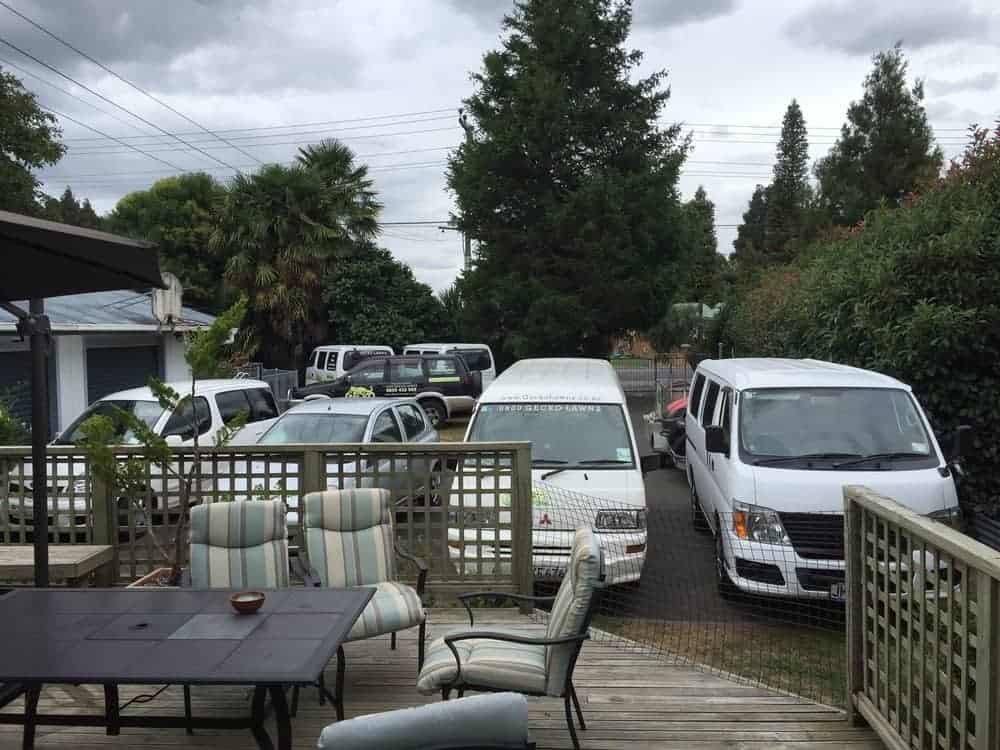
After a few teething problems, this was the system. Five vehicles on the road in five years, good money, and we didn't have to mow much ourselves. We finally had something that ran.
The only real problem now was me. I'd been at it over thirty years and didn't want to spend the next five doubling the business. I was tired of my house feeling like a train station every morning, and tired of managing staff. We were both 50-plus and wanted a change.
We gave notice to our staff and sold over 350 lawns over six months to four different buyers. We kept the name. One buyer bought a van and offered the driver a job doing the same lawns. Easiest sale I've ever arranged.

We still wave to locals who bought businesses off us. Some have become good friends, and we've helped a few resell after a year or two. Gecko Lawns has a reputation as one of the top lawn care companies in Hamilton. Have a look at the reviews on Google. You don't get reviews like that by accident.
My wife and I each work about 20 hours a week. Our phone is always ringing, and we sell the leads we don't want. We only take on high paying, easy work that suits us. I help lawn contractors package and sell their businesses, and help buyers evaluate them.
These days I get more enjoyment out of teaching people how to build and market a lawn care business than mowing lawns. If I'd found a site like this in my twenties, I'd have got here a lot sooner. That's why it exists.

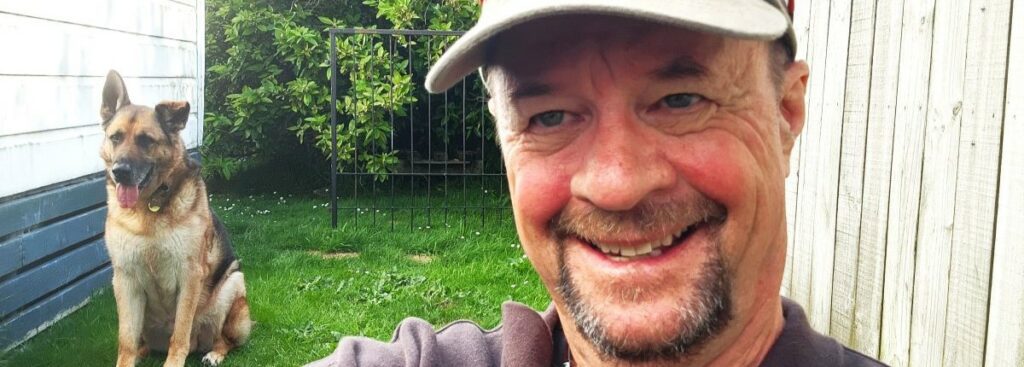
Stuart Clifford
Join the free community. Training, templates and live calls with other lawn care owners.
Join free