I got the tractor because it fitted through side gates on residential yards. It lasted a few years, and when it wore out I didn't replace it. I was making a better income with less hassle on small to medium domestic lawns.
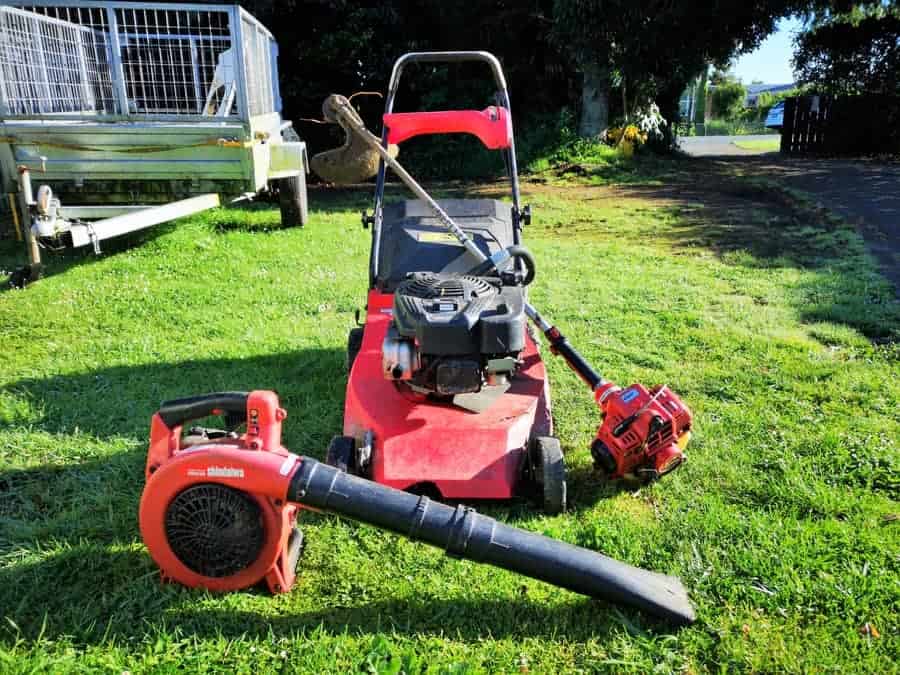
I was better off running vans with one worker, no trailer, and a push mower, blower and line trimmer. Easy to repeat, easy to scale. Before I downsized I'd built that up to five workers and five vans, each turning over about $50K a year on 35 hours.
The profit was good, but having just turned 50 I was tired of employing people. I kept the best lawns out of 450 contracts, and now I work a 20-hour week and earn the same as the full-time guys in town.
Prices below are US dollars as at September 2026. They move around, so check with your dealer. The rest of the gear I use is on the recommended gear page.
Push mowers
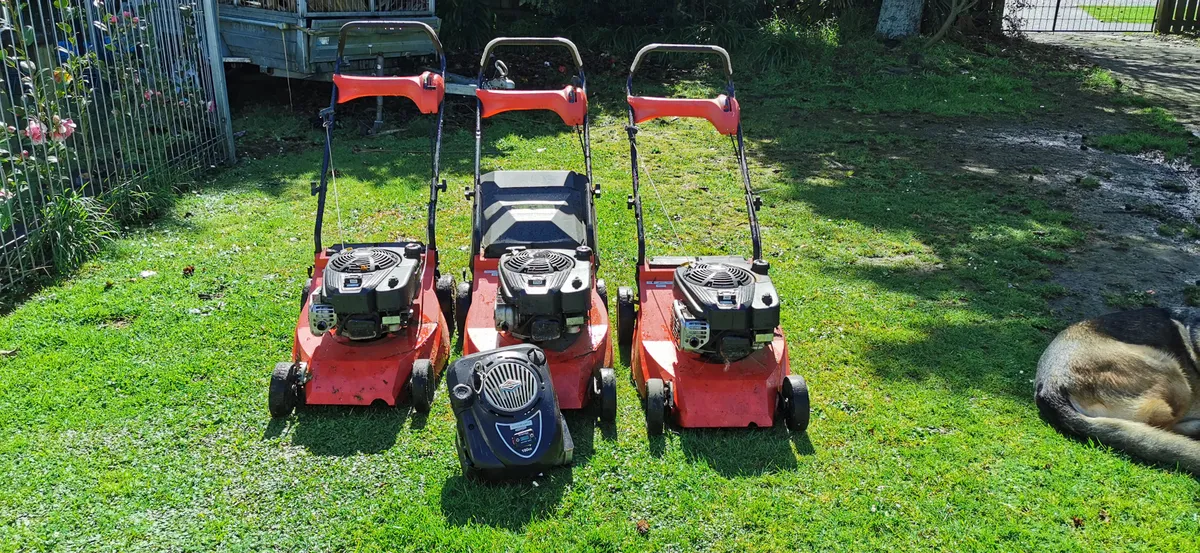
Start small. A lot of new lawn care guys have told me they bought a cheap mower and worked as hard as they could until they'd saved for the one they really wanted. Starting small means no big spend and no loan repayments while the business is new. I started with entry-level commercial gear myself. I shudder now thinking about what I went out with back in 1992. As time passed I upgraded, and eventually I was always on new commercial machines.
A good mower for a lawn care business
This is the one contractors name first when you ask about a commercial 21-inch. Kawasaki engine, three speeds, and a blade brake clutch, so the blade stops when you let go of the bar but the engine keeps running. On a full day of small yards that saves you a lot of pull starts. It's dear, but a commercial machine does in a week what a home mower does in a year.
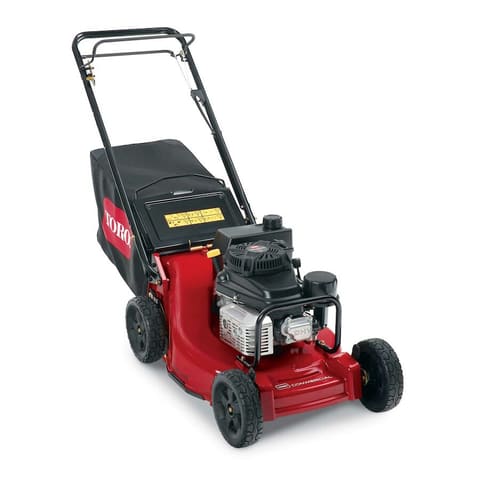
21-inch deck, Kawasaki FJ180V engine, 3-speed rear-wheel drive, blade brake clutch. About $1,900 to $2,400 at dealers.
See it at ToroHonda used to be the other big name here. Honda announced it was pulling out of making mowers for the US, so I wouldn't buy one now and hope for parts in five years. If your dealer backs Exmark, their Commercial 21 X-Series is the other one the contractors rate.
For a small business or a home lawn
If you want a good all-rounder for home or a small business that doesn't cost a lot, this is the Toro most reviewers pick as the best gas mower right now. The drive speeds up and slows down with your walking pace, and it mulches well. It's not built for commercial use, so using it for a business can void the warranty, but a machine like this should give you years at home or a season or two of light work.
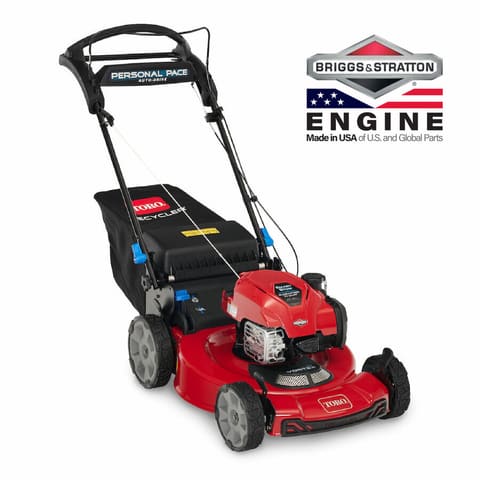
22-inch steel deck, Briggs and Stratton 150cc engine, self-propelled. About $520.
See it at ToroI've had bad experiences with secondhand gear, so I only buy new now. If you're comfortable going secondhand you can cut start-up costs further, but the older a machine gets the more looking after it needs. Be careful you're not buying someone else's problem, or a machine a contractor has decided is past it.
If you want to go battery
Battery mowers have come a long way. For a home lawn, this EGO is the top pick with most of the big review sites. One battery gives you up to 75 minutes. For a business you'd need spare batteries and a way to charge in the van, so I'd still start on gas for full days.
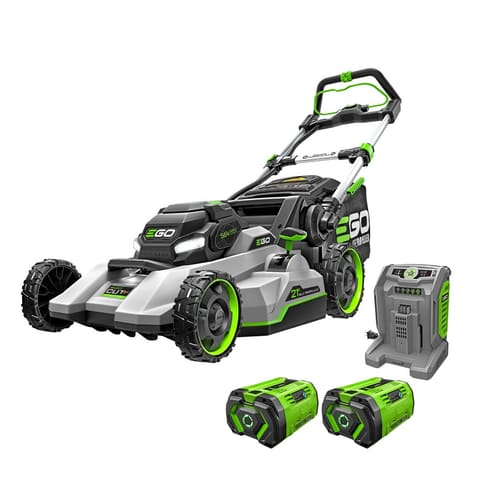
21-inch, 56V, self-propelled, 10Ah battery, 5-year warranty. About $750 to $800.
See it at EGOLawn tractors
The sweet spot for a lawn tractor is the not-too-big, not-too-small yard. I used one for a few years and they're hard work to turn. You lose a lot of time doing straight up-and-down cuts. If you have big lawns where you can drive round in circles all day, it'll make you money.
Mine had a hydrostatic drive: a two-sided floor pedal, one end forward, the other reverse. Takes a while to get used to. Rough sizing guide:
- Up to 1 acre: 42-inch cut, 14hp engine
- 1 to 2 acres: 46-inch cut, 16hp engine
- 3+ acres: 50-inch or bigger cut, 18hp or more
John Deere owns this category right now. Nine of the top ten lawn tractors in Consumer Reports' 2026 ratings are Deeres, and the S130 is the one most reviewers name as best overall. Same idea as my old 42-inch: hydro drive, fits through most side gates, good for large home lawns and light commercial at a pinch. If you're going down the commercial road, get a zero turn.
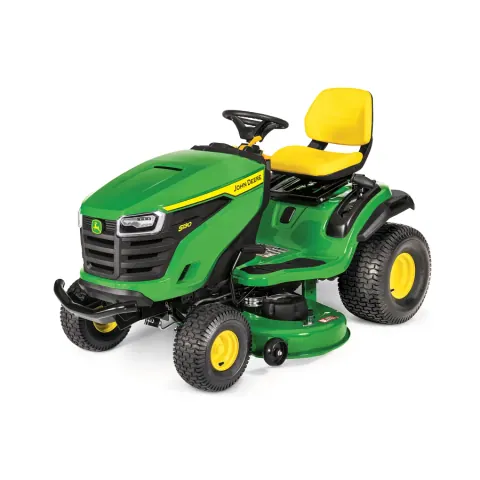
42-inch deck, 22hp V-twin, hydrostatic drive, cruise control, rated up to 2 acres. About $3,100 at Deere dealers.
See it at John DeereZero turns
I haven't worked much with zero turns myself, but I know a lot of contractors who do. The brands they run are Toro, Exmark and Scag. For someone starting out, the Toro Z Master 2000 is the cheapest proper commercial zero turn: thick steel deck, Kawasaki engine, a suspension seat you'll thank it for at the end of the day, and a 4-year warranty. The Exmark Lazer Z is lovely, but it starts around $5,000 more.
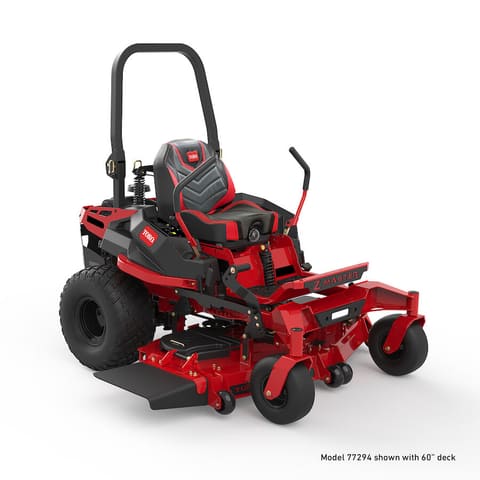
52-inch 7-gauge steel deck, 23.5hp Kawasaki FX730V, MyRIDE suspension, 4-year/1,000-hour warranty. About $11,100.
See it at ToroFor your first zero turn, go to your local dealer. Take one for a test drive and buy it if it fits. Research online, buy local if you can. It makes repairs, servicing and parts a lot easier.
Find a good mower shop
Find one, buy from them, and they'll look after you. When you buy parts on account, pay them religiously on the due date. With that kind of relationship I got repairs done while I waited (when he had the parts) and priority service. My jobs went ahead of other contractors simply because I supported them and paid on time. Do the same.
More gear
Line trimmers, blowers and the small stuff.