In this guide 9 sections
“Ride on mower with a bagger good for leaf clean ups? Never used one.”
That came up in my Facebook group last month. Same week someone else posted “Anyone need yards cut or leaf cleanups”. Every fall the group fills up with leaf jobs, and almost nobody knows what to charge for them.
Leaf removal is one of the easiest extra jobs you can sell. Your customers already trust you. The leaves come down whether they like it or not. But it is also one of the easiest jobs to underprice, because a yard full of leaves always looks quicker than it is.
Here is how I price it.
The short answer
- Price your time, not the yard size. One big tree over a small yard can be more work than a big open lawn.
- Work out how the leaves are leaving. Mulched into the lawn, blown up and bagged, or vacuumed into a trailer. Each one is a different price.
- Multiply the hours by your hourly rate. If you’re new, aim for at least $60 an hour.
- Add the dump fee on top. Plus the time to load, drive and unload.
- Never go under your one-off minimum. Mine is $60.
Ask these questions before you quote
Leaf jobs vary more than any other job I quote. So I ask a lot before I give a number:
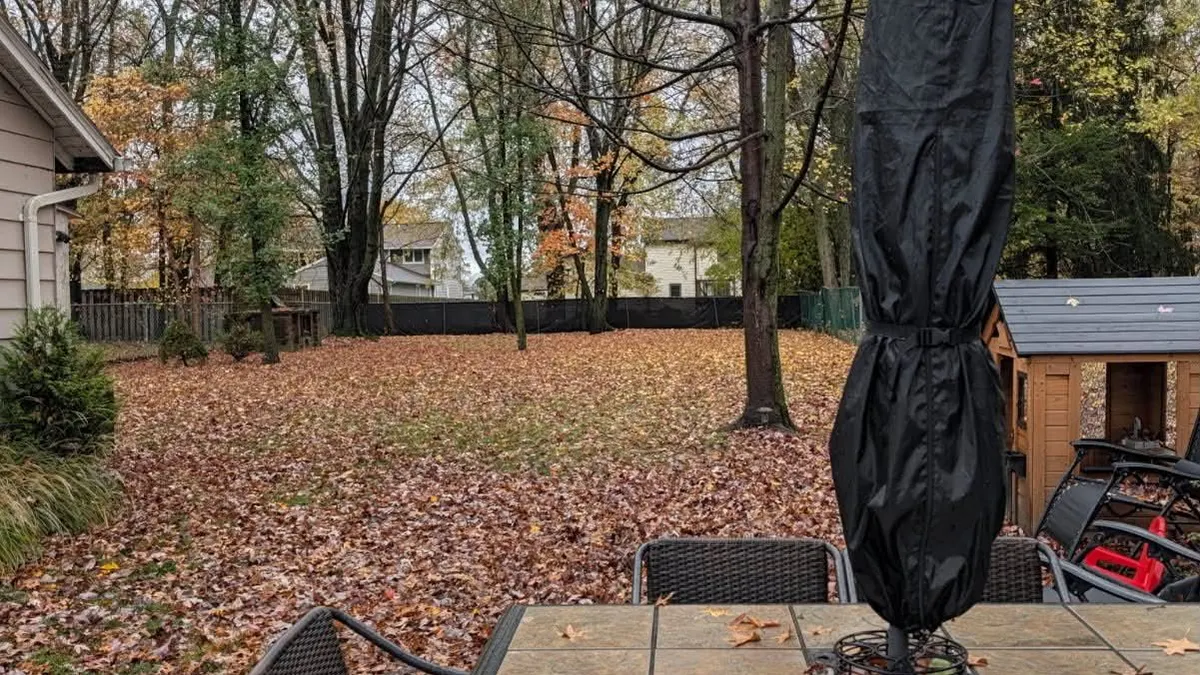
- How many trees, and how big? One maple is a different job from a row of oaks along the back fence.
- Is it on the lawn only, or in the beds too? Leaves packed into garden beds and under shrubs come out by hand or with a blower, one bit at a time. That is slow.
- Have the trees finished dropping? If you clear it now and half the leaves are still on the trees, they will ring you again in two weeks. Agree up front whether that is one visit or two.
- Do the leaves get taken away? Or can they go in the customer’s own green bin, compost heap or a back corner of the yard?
- Can you send me a photo? Ask for one taken from the back door looking out. It shows you the trees and the cover in one shot.
Then I tell them my minimum before I give a price: “Just so you know, our minimum for one-off jobs is $60. That covers up to 60 minutes of work.”
More: What should your minimum charge be for lawn mowing?
Mulch, bag or vac: it changes the price
How you get rid of the leaves decides most of the price. There are three ways.
1. Mulch them with the mower
If the cover is light and the leaves are dry, mow straight over them. The blade chops them into small bits that drop into the grass and break down. No bags, no dump run.
This is the cheapest job for the customer and the quickest for you. On a light cover it might only add 10 or 15 minutes to a normal mow.
Watch out for thick or wet leaves. They won’t mulch. They clump under the deck and smother the lawn.
2. Pick them up with the catcher or bagger
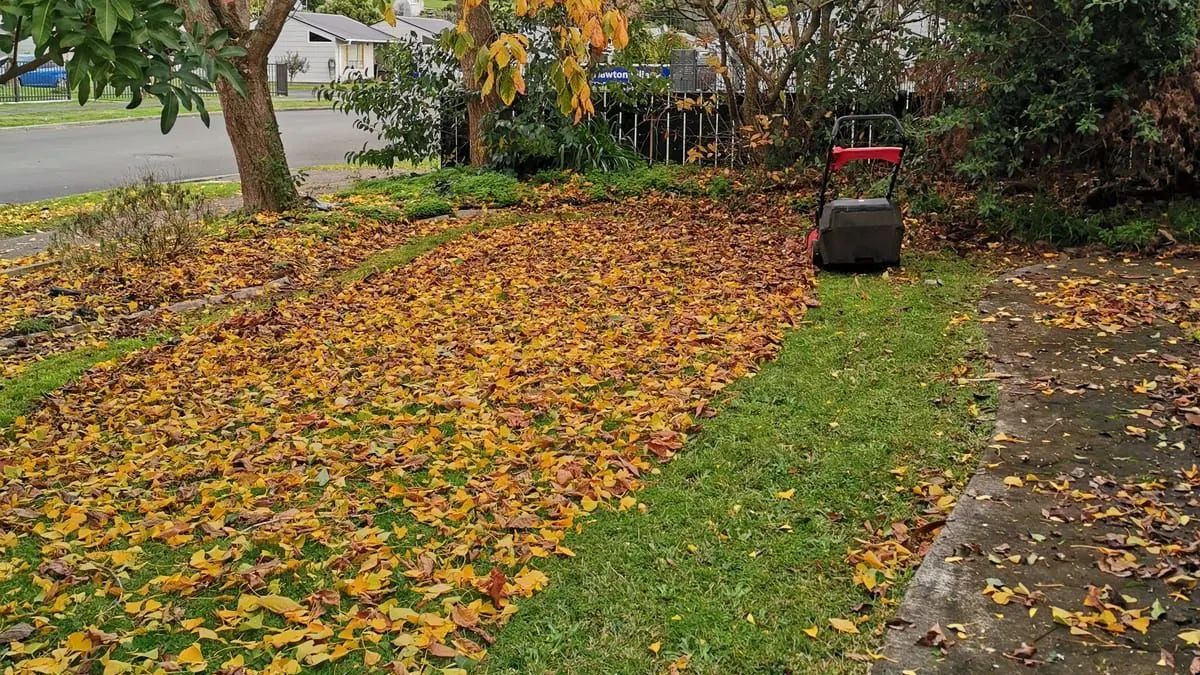
This is what the hero photo shows. Run the mower with the catcher on and it picks up leaves and grass together. It works well on a medium cover.
The catch is the catcher. It fills fast with leaves, so you stop and empty it far more often than on a normal mow. Count that time. Then those clippings and leaves still have to go somewhere.
Same goes for a ride-on with a bagger, which is what the guy in my group was asking about. It will pick up leaves fine on an open lawn. Expect to go over thick patches twice, and expect to empty it a lot.
3. Blow, bag and haul
Heavy cover, leaves in the beds, or leaves that all have to go. This is the slow one. Blow everything into piles, then bag it or load it.
If you do a lot of these, a blower vac with a shredder is worth having. It chops the leaves as it sucks them up, so you fill far fewer bags. The bigger outfits use debris loaders or trailer-mounted leaf vacs that suck piles straight into a dump trailer.
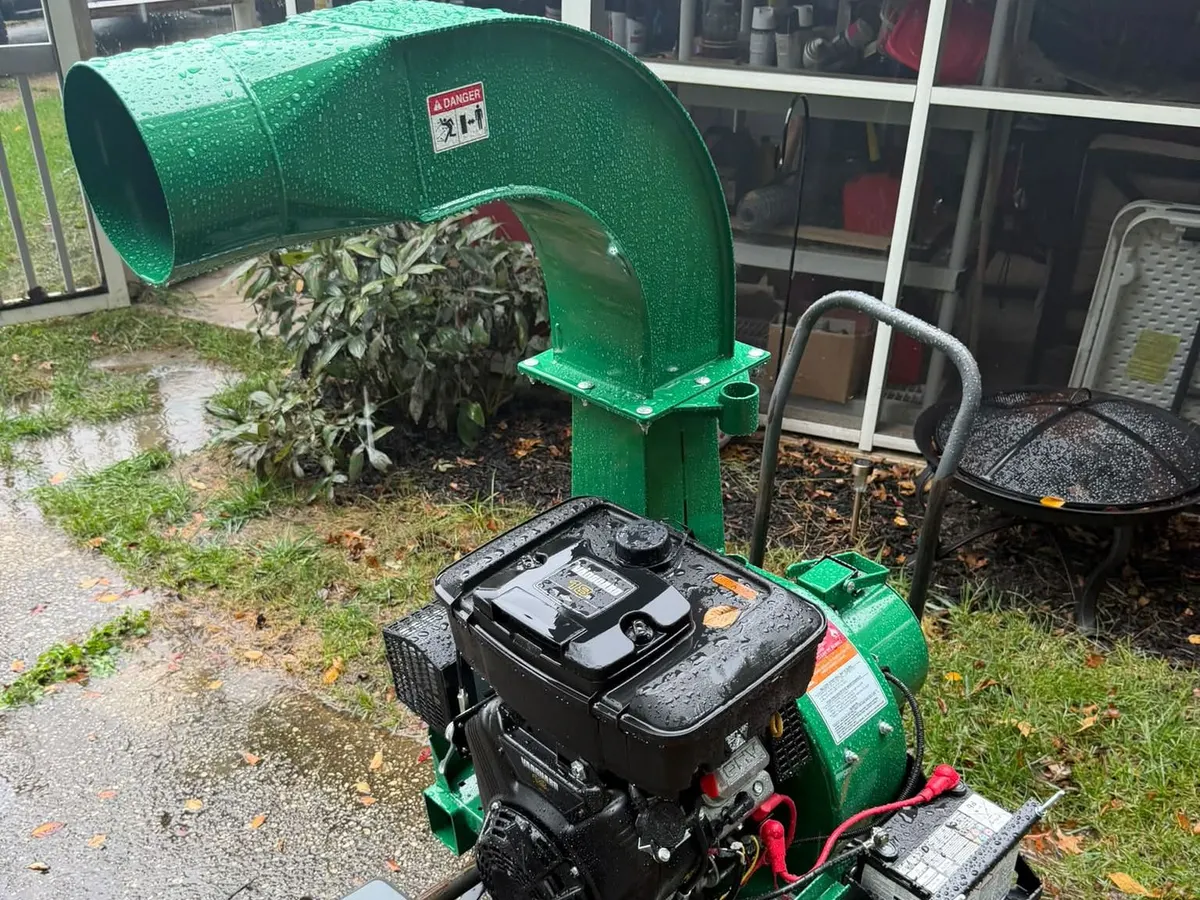
Don’t buy big leaf gear before you have the work. A blower, a rake, a tarp and a box of bags will get you through your first season.
More: How to choose the best leaf blower for lawn care and What equipment do you need to start?
My formula: time times rate, plus the dump
It’s the same formula I use on every cleanup:
Price = (hours on site + hours hauling) × your hourly rate + dump fees. Then round up.
When you look at the job, break it into pieces and time each one:
- Blowing the leaves out of the beds and off the paths
- Mowing, mulching or picking up on the lawn
- Raking and blowing into piles
- Bagging or loading
- Clearing gutters, drains or the driveway, if they want that too
- Driving to the dump, waiting, unloading, driving back
Add it up. Then add a bit. Wet leaves are heavy, they stick to everything and they take twice as long to move. If there’s rain forecast for the day, plan for it.
Don’t know your hourly rate yet? Work it out with my free hourly rate calculator. Then use it on every quote.
A worked example
This is a made-up job. Put your own numbers in.
Front and back yard. Two big trees out the back that have finished dropping. Leaves across most of the back lawn and packed into the beds along the fence. Everything goes.
- Blowing the beds and paths out: 30 minutes
- Blowing the lawn into piles: 30 minutes
- Bagging and loading: 40 minutes
- Mowing over the front to mulch the light cover: 20 minutes
- Dump run there and back, unloading: 40 minutes
That’s 2 hours 40 minutes. At $60 an hour that’s $160 of time.
Say the dump charges $30 for the load. Now you’re at $190. Round it up to $200, because wet leaves and full bags always take longer.
Now look at the job from the street. Two trees and a normal yard. Plenty of guys would say $80 and think they did well. That’s less than half of what the job costs you.
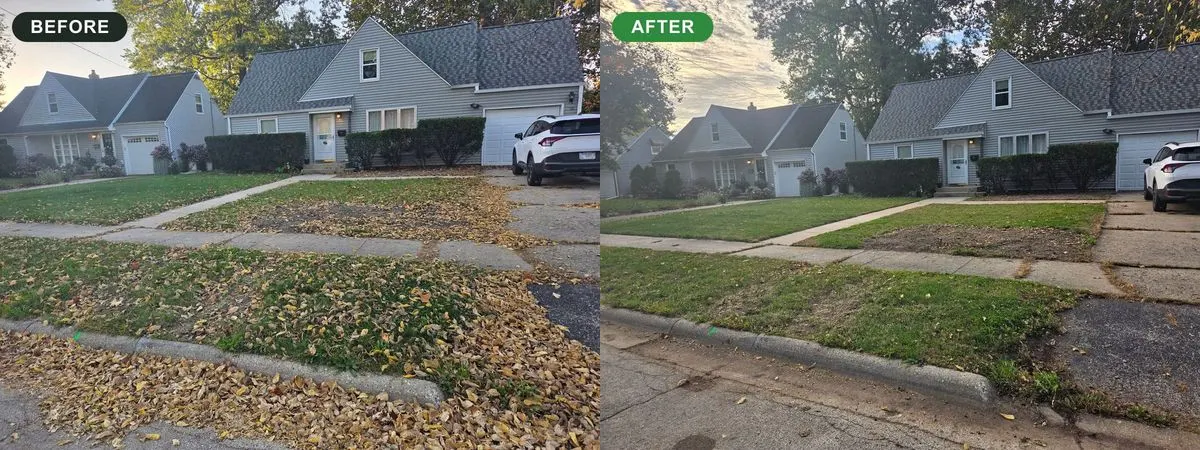
Why I don’t price by the bag
A lot of guys charge per bag. I get why. It’s easy to explain and the customer can see what they’re paying for.
The trouble is that a bag isn’t a fixed amount of work. A bag of dry leaves off an open lawn fills in a couple of minutes. A bag of wet leaves raked out from under a hedge can take ten. Same price, five times the work.
So I work it out on time and give the customer one fixed price. They like knowing the number up front. I like knowing I’m paid for the job I actually did.
If a customer really wants a per-bag price, work out how long a bag takes you to fill, load and dump. Price it from your hourly rate. Then add a line that wet or packed leaves cost more.
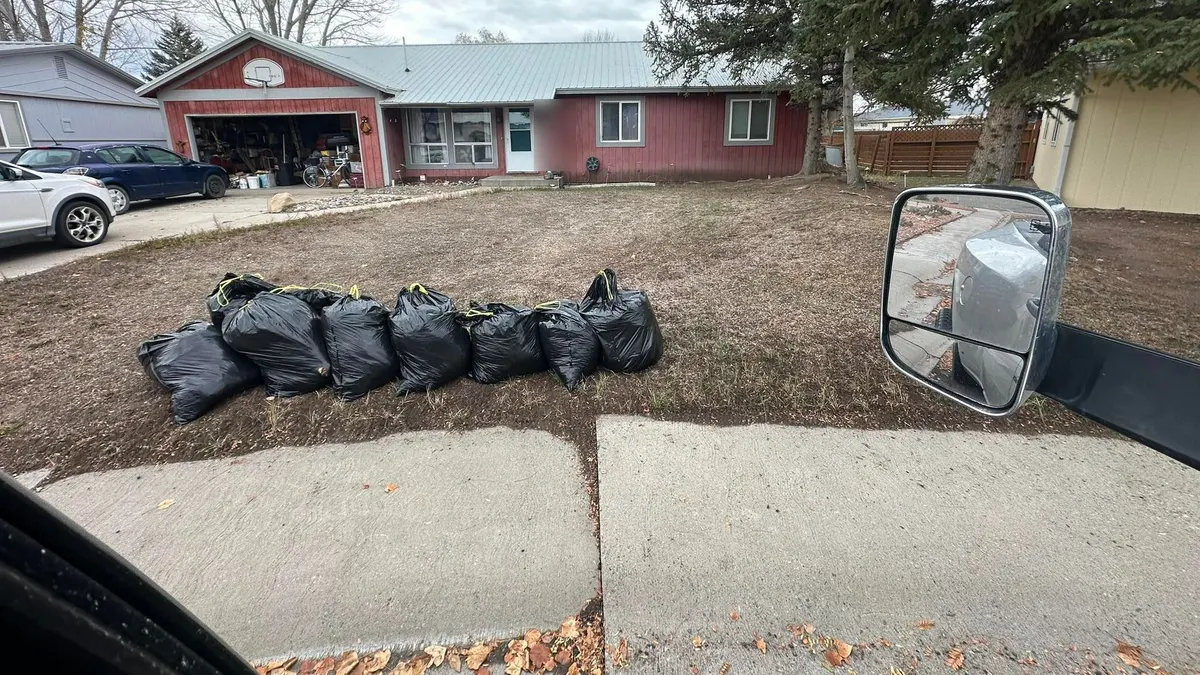
Leaves on your regular lawns
This is where most of your fall money is, and where most guys give it away.
Your regular customers have trees too. When the leaves drop, a 30-minute mow turns into 45. If you keep charging the normal price, you’re working for free for those extra 15 minutes, every visit, for six weeks.
Here is what I do:
- Tell them before the leaves fall. Send a text to every customer with trees: “Leaves will be dropping soon. If they need picking up as well as the mow, it’s an extra $X a visit. Want me to do that?” Now the extra charge is something they agreed to, not a surprise on the invoice.
- Offer a one-off leaf clear to everyone. Once most of the leaves are down, send one email or text to your whole customer list offering a leaf cleanup. That one message can lift that monthWhen I’ve done this, it lifted that month’s income by as much as 25%.#8217;s income by as much as 25%.
- Throw in the small stuff. If the street drain outside their place is blocked with leaves, blow it clear. It takes a minute and they remember it.
More: Upselling lawn care customers and Lawn care text message templates
Mistakes I see every fall
- Quoting from the street. The back yard is where the trees are. Always see it, or get a photo.
- Clearing too early. If the trees are still full, agree on two visits or come back later. Don’t do the job twice for one price.
- Forgetting the beds. Leaves under shrubs and in garden beds are the slowest part of the job. They’re also what the customer notices if you skip them.
- Eating the dump fee. It goes on top. Every time.
- Mulching wet leaves. They clump, they smother the grass and they clog the deck. Pick them up instead.
- Giving regulars free leaf time. Ten extra minutes a lawn across 40 lawns is almost seven hours a week you’re not paid for.
Do today: text every regular customer who has big trees. Tell them leaf pickup is available and what it costs per visit. Then ring your local green waste dump and save their prices in your phone, so you can quote the one-off jobs on the spot.
Frequently asked questions
How much should I charge for leaf removal?
Work out the hours on site plus the hours hauling, multiply by your hourly rate, add the dump fee, and round up. If you’re new, use at least $60 an hour, and don’t go under your one-off minimum.
Should I charge per bag for leaf removal?
Work it out by time, not by bag. A bag price punishes you on wet leaves, packed beds and tight yards. If a customer wants a per-bag number, work out what a bag takes you to fill and haul, and price it from your hourly rate.
Is it cheaper to mulch leaves or bag them?
Mulching with the mower is the fastest and cheapest when the cover is light and the leaves are dry. Thick or wet leaves need to be blown up and bagged or vacuumed, which takes longer and costs more.
Should I charge regular mowing customers extra when the leaves fall?
Yes, if the leaves add time. Tell them before the leaves start dropping, so the extra charge is never a surprise on the invoice.
Do I need a leaf vacuum to offer leaf removal?
No. A blower, a rake, a tarp and bags will get you through your first fall. Buy a blower vac or debris loader once leaf jobs are paying for it.

39 years mowing lawns. Built it up to five vans and 450 contracts, then cut back to a 20-hour week on the best lawns. My story.
Want more lawns?
I build lawn care websites first, free. You see it live before you pay a cent.