In this guide 9 sections
Overgrown grass is where mowers die and new lawn guys lose money.
You drop the deck to normal height, push in, and the mower bogs down, stalls, and leaves a wet green mess behind it. Twenty minutes later you’ve done a quarter of the lawn and your arms are shot.
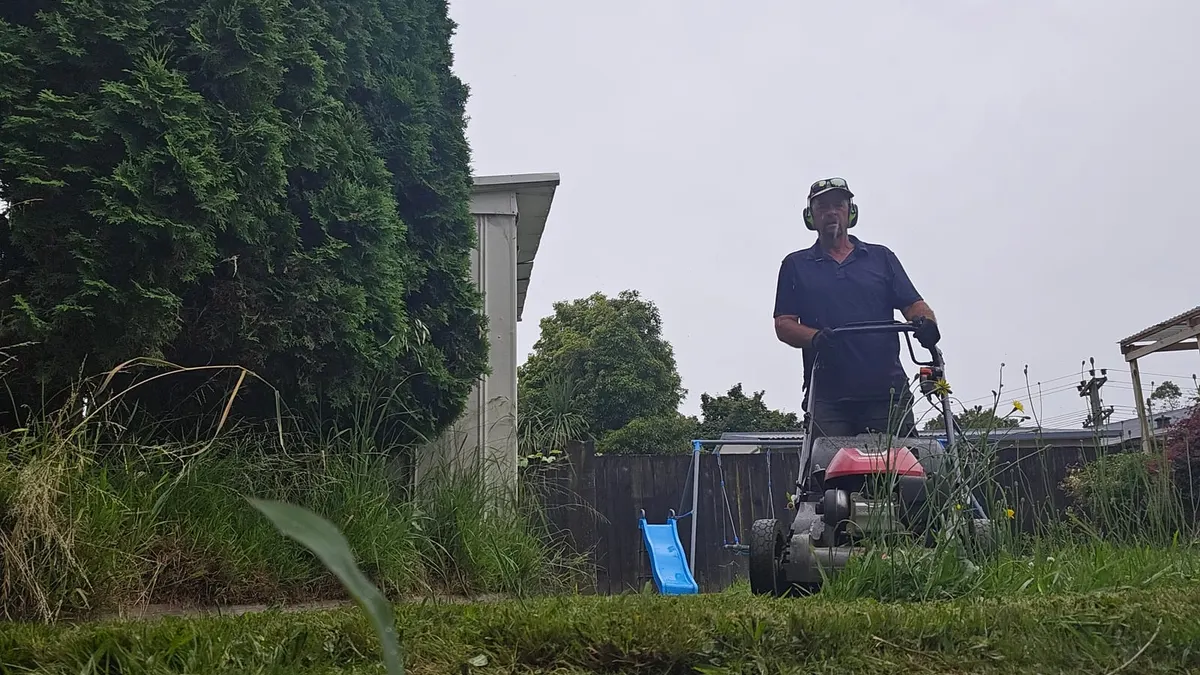
II’ve mowed thousands of jungle lawns in 34 years. Rentals#8217;ve mowed a lot of jungle lawns in 34 years. Rentals, deceased estates, people back from six months away. Here is exactly how I do them.
The short answer
- Walk it first. Long grass hides rocks, hoses, toys, taps and dog mess.
- Trim the tallest bits down first if it’s past knee high.
- Set the mower to its highest setting and do a first pass.
- Take half a width at a time and walk slower than normal.
- Catch the clippings. Empty the catcher before it’s full.
- Drop the deck and mow it again to finish.
- Price the time, not the lawn size. It will take two or three times longer than a normal cut.
Walk the lawn before you start the mower
This is the step everyone skips, and it’s the one that costs the most.
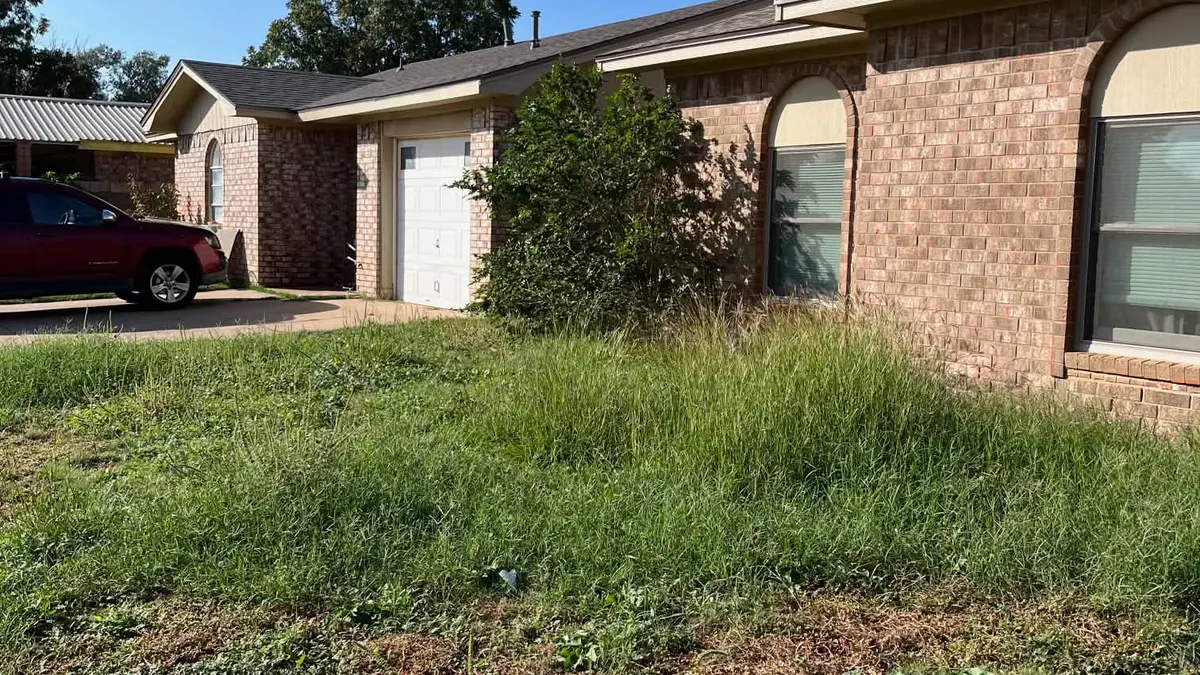
Long grass hides things. I’ve found garden hoses, kids’ toys, a hidden tap, bricks and sprinkler heads. Hit any of those and you’ve got a bent blade, a cracked deck or a rock through someone’s window.
Walk the whole lawn in a grid before you start. Pull out anything you find and stack it in one spot. If there’s something you can’t move, like a tap or a stump, remember where it is or stick a cane in next to it.
While you’re walking, look for:
- Dog mess (and ask the customer to clear it before you come next time)
- Soft, wet patches the mower will sink into
- Holes, ruts and old garden edging
- Wasp nests in the long stuff by the fence
Then take a quick video on your phone of what it looked like. If the customer ever says “it wasn’t that bad”, you’ve got it.
Knock the tallest stuff down with the trimmer
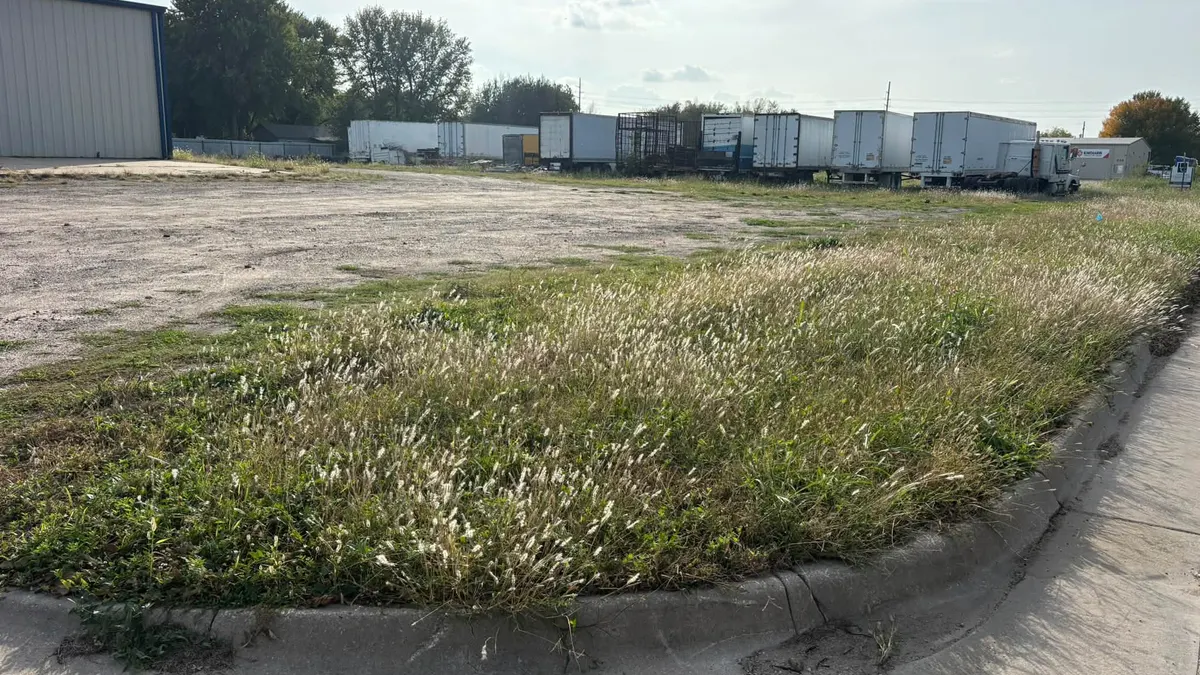
Ankle high to shin high, the mower can handle it. Past the knee, it can’t. Not in one go.
For the really long stuff, I take the line trimmer through it first and cut it down to roughly half its height. You’re not trying to make it neat. You’re just giving the mower a chance.
Do the fence lines, edges and around trees with the trimmer at the same time. The mower can’t get in there anyway, and it means the clippings get picked up when you mow.
Use thicker line for this, and wear long pants and glasses. Long grass throws stones, sticks and snails straight back at you.
More: The line trimmers I recommend
Mow it high, then mow it again lower
The old rule is never cut more than a third of the grass blade at once. On a regular lawn I stick to it. On a jungle lawn you can’t, because the customer wants it tidy today, not in three weeks.
So I split it into two cuts on the same visit:
- First pass on the highest setting. This takes the bulk off. It won’t look good. That’s fine.
- Second pass a notch or two lower, going across the first pass at an angle. This is the one that makes it look like a lawn again.
Don’t go straight to your normal height on the second pass if the grass was really long. The bottom of long grass is pale and stalky. Cut down into it and you’ll scalp the lawn and leave it brown. Leave it a bit higher than normal. Bring it down over the next couple of mows.
More: How to mow a lawn correctly and How to measure lawn mower cutting height
How to stop the mower choking
Most stalls come from trying to cut too much grass at once. Here is what stops it:
- Half a width at a time. Overlap each strip by half the deck. The mower only cuts half the grass on each pass.
- Walk slower. Let the engine stay at full speed. If you hear it drop, stop and let it recover before you push on.
- Lift the front wheels. Push down on the handle so the front lifts a little as you go into the long stuff, then lower it slowly. The blade eats the grass from the top down instead of all at once.
- Full throttle, always. Never mow long grass at half revs.
- Sharp blades. Blunt blades tear long grass and choke the deck. Start a jungle job with sharp ones.
- Wait for it to dry. Wet long grass is twice as heavy and clogs everything. If you can, do these jobs in the afternoon.
If the mower stalls, turn it off and pull the spark plug lead before you put a hand anywhere near the deck. Clear the chute, scrape out the build-up under the deck, then go again.
More: How to sharpen lawn mower blades without removing them and Mowing grass in the rain
Catch it, don’t mulch it
On a normal lawn, mulching is fine. On overgrown grass, it’s a disaster.
There’s too much grass for the mower to chop fine. It comes out in wet clumps that sit on top of the lawn, block out the light and leave yellow patches a week later. It also looks terrible, and the customer will judge the whole job on it.
Put the catcher on. Empty it when it’s about two thirds full, not when it’s packed. A full catcher stops pulling air, and the mower starts leaving grass behind and clogging up. On a really long lawn that means emptying it every few metres. That’s normal.
If you don’t have a catcher, rake up the clumps after the first pass before you do the second.
Then you’ve got to get rid of it. Ask if it can go in the customer’s green bin. If not, it’s going in your trailer or bags, and that’s a dump run you need to charge for.
What the lawn looks like after
Here’s what nobody tells new guys: an overgrown lawn looks a bit rough straight after you’ve mowed it, even when you’ve done it perfectly.
The grass at the bottom has been in the shade for weeks. It’s pale, yellow and stalky. It will green up again over the next week or two, especially with some rain.
Tell the customer that before you leave. Something like: “It’s going to look a bit yellow for a week or so. That’s normal after it’s been this long. It’ll green up.” Say it before they notice and it’s expert advice. Say it after they complain and it sounds like an excuse.
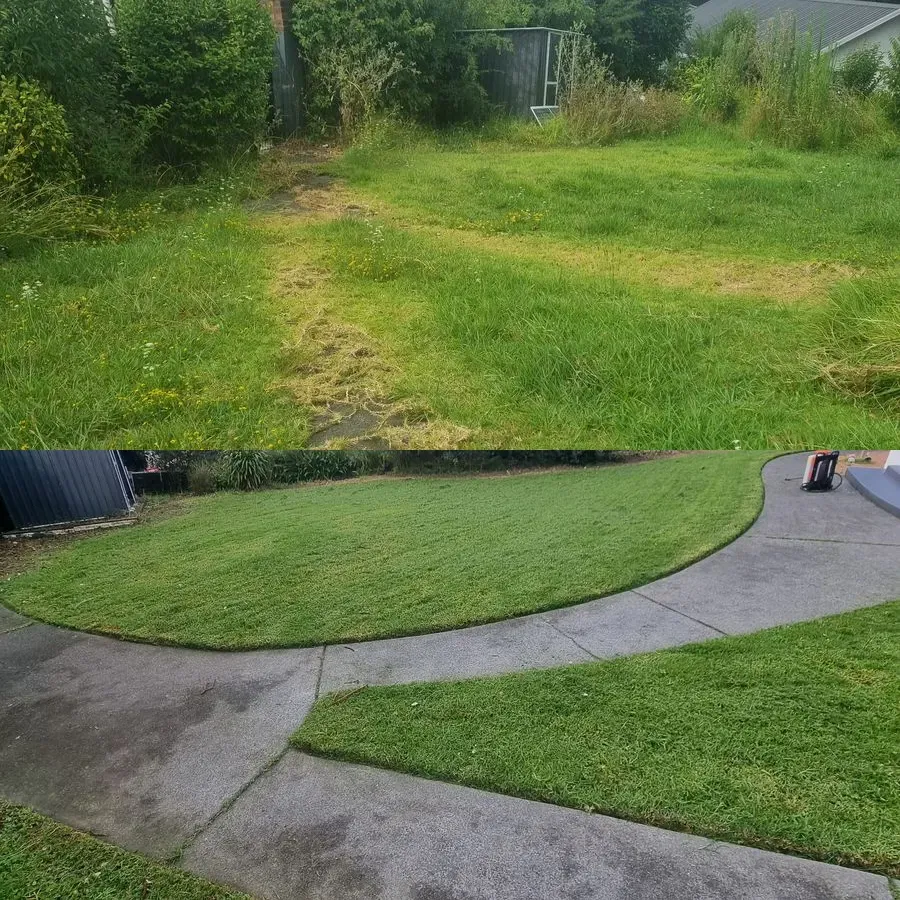
Then offer the next mow. Two weeks later it will look like a proper lawn, and that’s the moment they’re most likely to book regular mowing.
How long it really takes (and what to charge)
A lawn you’d cut in 20 minutes every fortnight can take an hour when it’s knee high. Sometimes more.
Count it at two or three times your normal time. Then add the trimming, the extra catcher trips and the dump run.
This is where new guys lose their shirt. They quote a jungle lawn off its size, at their normal price, and spend all afternoon on it for nothing. Price the time, not the lawn.
My one-off minimum is $60, and that covers up to an hour. Anything longer gets priced at my hourly rate, plus the dump fee on top. If you don’t know your hourly rate yet, work it out with my free hourly rate calculator.
And get paid for one-offs before you start, or the minute you finish. One-off customers are the ones who go quiet on invoices.
More: How to price a yard cleanup and What should your minimum charge be for lawn mowing?
Do today: next time someone asks for a price on a long lawn, ask them for a photo with something in it for scale, like a shoe or a tape measure. Then time it in your head at two or three times your normal cut, and quote off that.
Frequently asked questions
Can you mow really tall grass with a push mower?
Yes, up to about knee high. Set it to the highest setting, cut half a width at a time, walk slowly and catch the clippings. Past knee high, cut it down with a line trimmer first.
Should you cut overgrown grass in one go?
Not down to normal height. Do a high first pass, then a second pass a notch or two lower on the same visit. Leave it a little higher than normal and bring it down over the next couple of mows.
Why does my mower keep stalling in long grass?
It’s trying to cut too much at once. Take half a width, walk slower, run it at full throttle, lift the front wheels slightly going into the thick stuff, and make sure the blade is sharp and the catcher isn’t full.
Should I mulch or bag overgrown grass?
Bag it. There is too much grass to mulch properly. It sits on the lawn in clumps and leaves yellow patches.
Why is my lawn yellow after mowing long grass?
The bottom of long grass has been shaded for weeks, so it’s pale. It greens up again in a week or two. Cutting too low makes it worse, so leave it a bit higher than normal on the first cut.
How much should I charge to mow an overgrown lawn?
Price it on time, not size. Count it at two or three times your normal mowing time, add trimming and the dump run, multiply by your hourly rate and add the dump fee. Use a one-off minimum so small jobs still pay.

34 years mowing lawns. Built it up to five vans and 450 contracts, then cut back to a 20-hour week on the best lawns. My story.
Want more lawns?
I build lawn care websites first, free. You see it live before you pay a cent.