In this guide 11 sections
- Lawn Mowing Leads: Are You Leaving Money on the Table?
- The Power of the Positive Referral
- Why I Say No to the Work in the First Place
- Building Your List of Local Contractors
- How to Talk to Other Contractors
- Tracking and Managing the Leads
- Don’t Let the Lead Die
- Pro Level: Selling Your Leads
- Summing Up
- Frequently asked questions
- Next step
Lawn Mowing Leads: Are You Leaving Money on the Table?
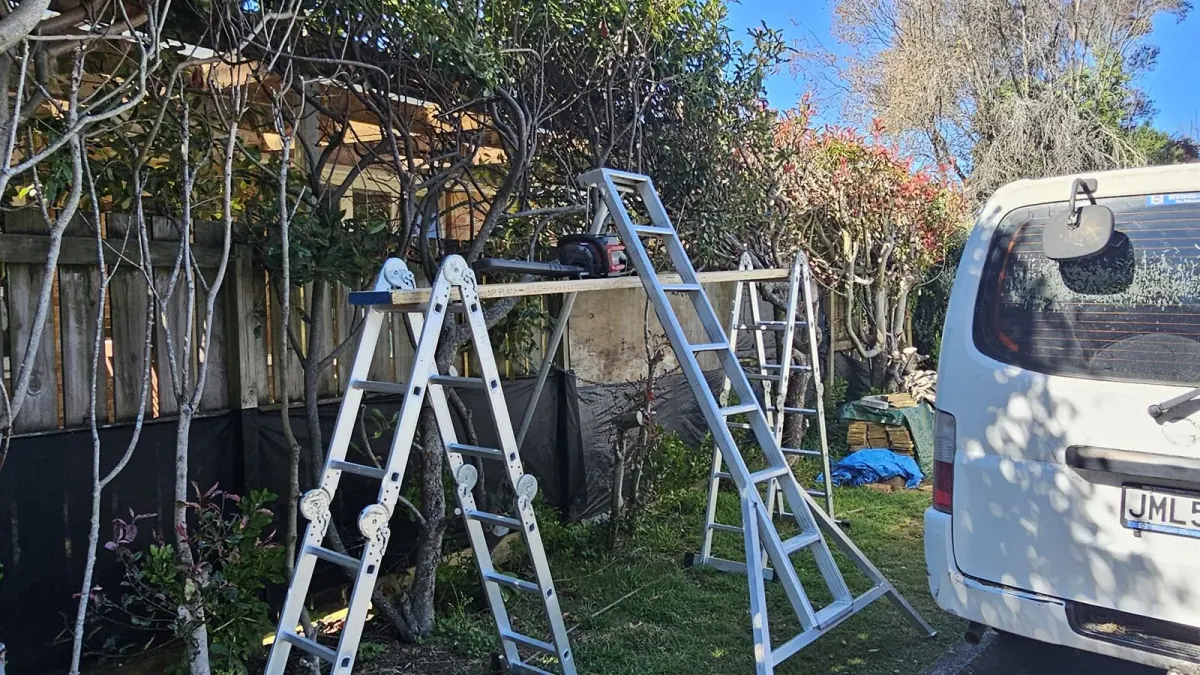
When you get incoming lawn mowing leads, you obviously mow lawns. But what else do you do? Gardens, trees, hedges, rubbish removal, lawn treatments? People expect a lawn mowing business to do all of it, and they ring you for all of it.
We get a couple of calls every month for lawn treatments, which is not a service we offer. We only accept lawn mowing jobs, and small ones at that. The chances are you only do some of these things too. If you are offering all of them, you probably need to focus more on your core work, but that is another story.
It does not matter whether you do these other jobs or not. You are going to get the calls. Here is why you should never just say “No.”
The Power of the Positive Referral
People assume that because you mow lawns, you offer everything from gardening to fixing the garden gate. If you tell the customer you cannot help, they think twice about ringing you next time, when the job is one you actually want.
So every person who rings us gets put in touch with someone who can help, within reason. You want their experience on the phone to be good. If I cannot do it, I tell them who can, straight away, and I text them the number so they do not have to write it down.
Think about what that call is worth. The person on the phone owns a lawn. They found my number, they rang it, and they trusted me enough to ask. That is the hardest part of getting a customer already done. If I hang up with “sorry, we don’t do that”, I have thrown that away. If I hang up with “no, but ring Dave, he’s good, I’ll text you his number”, I have a customer who will ring me for the lawn.
Key Takeaway: If you can tell (or text) them another contractor’s details, the customer experience with your business will be much better, and they will be more likely to ring you again next time.
Why I Say No to the Work in the First Place
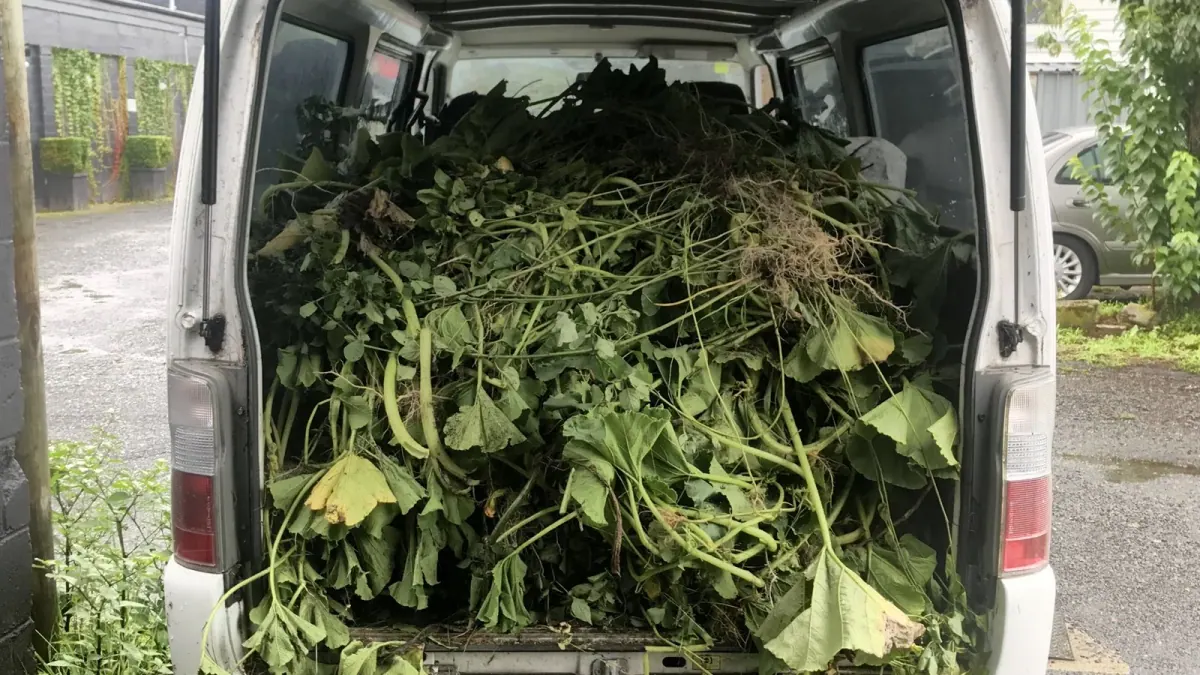
Before the list, a word on why we turn this work away instead of just doing it. Early on I took on jobs I was not set up for, and nine out of ten of them turned into drama. The wrong gear, the wrong price, a customer who expected a landscaper and got a lawn guy with a spade.
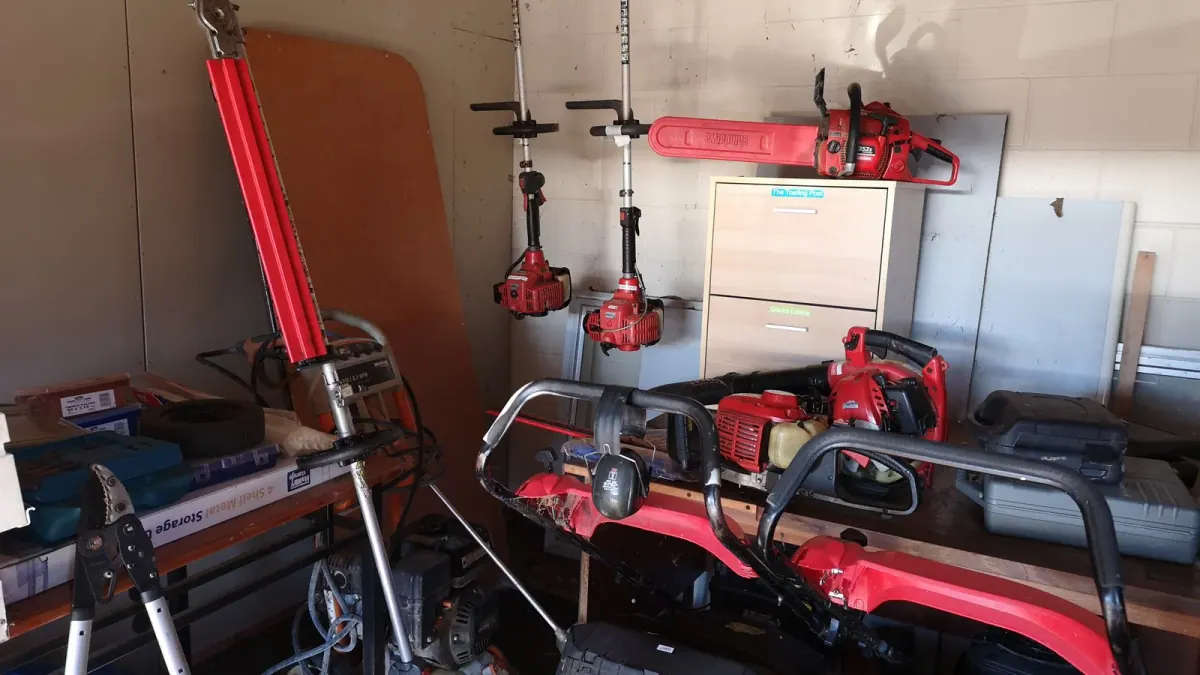
Every extra service means extra equipment that sits in the van unused most of the week. It means a licence for spraying, insurance questions for tree work, and a day that does not run to a route. We hate gardening, so we do not do it. But we know someone who loves it, and they do not mow lawns. We send them work. They do the same.
That is the whole idea of this post. Say no to the job. Never say no to the customer.
More: The Perfect Lawn Care Service List, What Should You Offer? and Should I offer other services in my lawn care business?
Building Your List of Local Contractors
We try to have every one of these extra services covered by someone on our list of local businesses. Ours has been built up over years, but there are shortcuts. Approach other businesses while you are out working. Look in places like:
- The local mower repair shop.
- The local green dump.
- On-site encounters, when you are working on a lawn and another contractor turns up to do a job.
I was on a lawn a couple of weeks ago when a tree guy turned up. This guy was different; he had the smallest portable stump grinder I have ever seen. I walked over, got his card and put it on my list. That will come in handy the next time I talk to someone with a hard-to-reach tree stump.
The list does not need to be long. One good person for each thing you get asked about. Gardening, hedges, trees, rubbish, spraying, water blasting. Six names covers nearly every call I get that is not a lawn.
Active Searching
Another way to work on the list is to search for it. This suits a new business, or an existing one with few connections:
- Search Google for the service in your town, “hedge trimming [town]” for example.
- Look at the Google Business Profile listings in the map block.
- Pick the ones with the best reviews and the most recent ones.
- Call them and have a chat.
Reviews matter here for the same reason they matter for you. A well-reviewed contractor will look after the customer you send, and the customer will remember that you sent them.
More: Google Business Profile Guide for Lawn Care: Why You Are Not Showing Up
How to Talk to Other Contractors
When you make a deal with a local business, find out first whether they offer your service, or already recommend another lawn mowing business. If they mow lawns as well, the conversation is over. You are not going to be their referral, you are their competition.
If they do not mow lawns but are already recommending someone who does, ask if they would be open to working with you. Most will, because most of those arrangements are loose and the other guy is probably not sending anything back.
The most common agreement is a lead swap. You send them the garden and tree quotes, they send you the lawn mowing leads. It costs nothing, and once it is running you both get work you would never have found on your own.
Note: Make sure it is not one-sided. The agreement needs to be fair for both parties. If you are sending three a month and getting nothing back, say so, kindly, and if it does not change, find someone else.
Tracking and Managing the Leads
How do you know which quotes you are forwarding to each other? Two ways.
The simple way: tell the customer the contractor is busy, but if they mention your business name they will be fitted in quicker. The contractor hears your name and knows where the job came from.
The professional way: take the customer’s name, number, address and a one-line description of the job, then text it straight to the contractor. That proves the lead came from you, it saves the customer ringing around, and the contractor can ring them back in five minutes instead of waiting for a call that never comes.
I already ask for those details on every incoming call, along with whether they have a dog and where they found my number. So the text takes ten seconds. Something like: “Hi Dave, lead for you. Jenny, [number], [address], wants a hedge along the driveway trimmed. Told her you’d ring today.”
More: Dealing With Lawn Care Leads: Find The Best Customers
Don’t Let the Lead Die
The big problem with giving leads away is that they can look worthless because they are free. If the contractor is busy that week, they may just ignore it. Then the customer, who rang you, sits waiting for a call that never comes, and it is your name they remember. This makes your business look bad.
- Make an agreement. Agree up front that both of you will call leads back the same day.
- Follow up. Tell the customer to let you know if they do not hear back. Most will not bother, but the ones who do have just told you which contractor to drop.
- Two strikes rule. If a contractor fails to follow up once, remind them. If they fail twice, stop sending them work. The customer gave you their trust and you passed it on, so the person you passed it to has to look after it.
Pro Level: Selling Your Leads
I have found that selling leads is the best way to get quick responses and reliable contractors. My lead buyers ring within the hour because they paid for the information. A free lead gets left until tomorrow. A paid one gets rung from the driveway.
Here is how it works on my round. Once the round is full, the website and the Google listing keep bringing in calls. I sell the lawn leads I cannot take to another local operator for $20 each. Over the last couple of years that has come to about $2,000 a year. The best year was $10,000, but that was a peak, not the norm.
Two conditions. It only works alongside advertising, because the lead volume comes from the ads and the ranking listing. And the buyer has to be exclusive and fast. If they are slow, the customer rings the next name on Google and you have sold them nothing.
If you go this route, you must provide a premium service:
- Full details. Name, number, address, and a quick description of the job.
- Immediacy. Send the details the minute you hang up. Never send old leads. Mine have to be rung within ten minutes.
- Qualification. Qualify the call first so the quality stays high. I ask “regular or one-off?” and I set a $50 minimum on one-off quotes so nobody is paying $20 for a $30 job.
More: 9 Ways to Get New Lawn Care Customers Fast
Summing Up
Always be making connections. Find businesses that do the work you do not want to do, and who will send you lawn mowing leads in return. Keep the list short and the people on it good. Text the lead, do not just say a name. Drop anyone who lets a customer down twice.
As you grow, move toward selling the excess leads. That lets you focus on the exact work and the exact neighbourhoods you prefer, and get paid for the calls you cannot take.
The customer who rang you for a hedge is not a wasted call. It is a lawn customer who does not know it yet.
Frequently asked questions
What should I say when a caller asks for a service I do not offer? “We don’t do that, but I know someone who does. I’ll text you his number now.” Then text it before you forget. The customer hangs up feeling helped, and they ring you next time for the lawn.
Should I just add the service instead of referring it? Usually not. Every extra service means gear that sits unused, and often a licence or insurance you do not have. Nine out of ten jobs I took on that I was not set up for turned into drama. Refer it and keep your day running to a route.
How do I find contractors to refer work to? The mower repair shop, the green dump, and other contractors who turn up on the lawns you are mowing. Or search Google for the service in your town, pick the listings with the best recent reviews, and ring them.
What is a fair lead swap? You send them the work you do not do, they send you the lawn mowing leads. Neither side pays. Check it every few months. If it is all going one way, say so, and if nothing changes, find someone else.
How much can I sell lawn mowing leads for? I sell mine for $20 each. That has come to about $2,000 a year lately, with a best year of $10,000. It only works if you are advertising, because that is where the extra leads come from, and the buyer has to ring them within minutes.
What if a contractor ignores a lead I sent? Remind them once. If it happens twice, stop sending them work. Your name is on that lead as far as the customer is concerned.
Next step
Write down the last three jobs you turned away. Find one trade for each, ring them this week, and ask if they want the next one. That is a referral list started in an afternoon.
If you want the phone script, the qualifying questions and the texts I actually send, they are in my free community of lawn care business owners. I am in there daily. I also run a Facebook group of more than 180,000 lawn care businesses worldwide, so whatever you are stuck on, someone in there has already sorted it.

34 years mowing lawns. Built it up to five vans and 450 contracts, then cut back to a 20-hour week on the best lawns. My story.
Want more lawns?
I build lawn care websites first, free. You see it live before you pay a cent.