In this guide 8 sections
Not every lead is good.
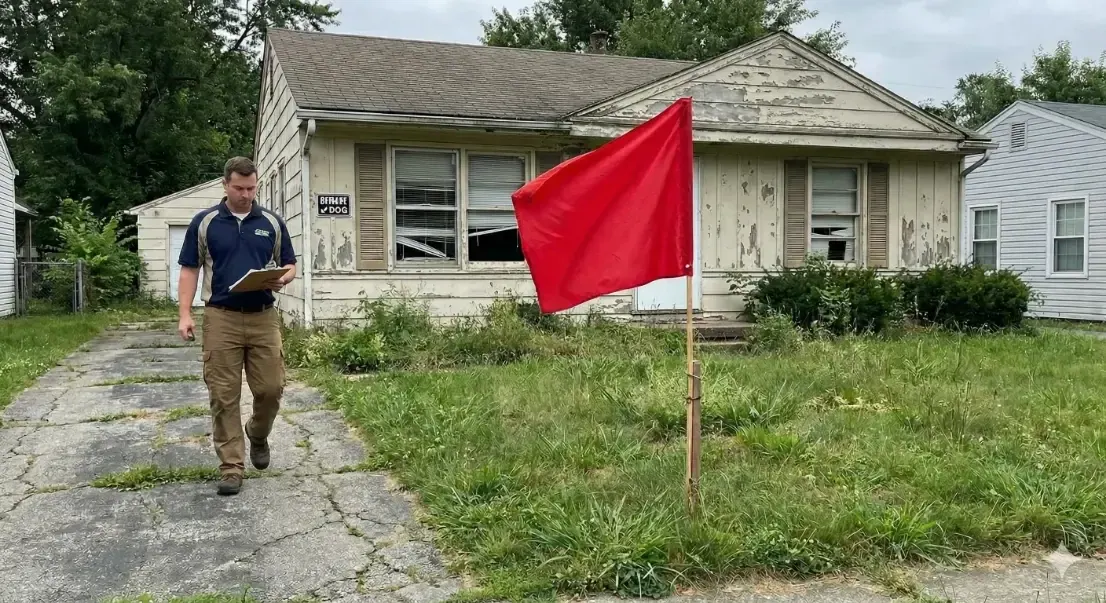
I was talking to a lawn mowing contractor, and he told me that his quotes were going nowhere. He was getting out and doing lots of quotes, and the customers were looking for a regular cut and dropping off after one or two mows. This is a common frustration in the industry—the “quote treadmill,” where you spend your fuel, your time, and your energy chasing leads that look great on paper but turn into a logistical nightmare or a financial loss once the blades actually hit the grass.
After I had worked out that it had nothing to do with the standard of his work, I started to look at his method of dealing with quotes. I discovered that he was not asking questions with his incoming calls. This meant he had no idea of the kind of lawn jobs he was quoting on. He was flying blind, treating every phone call as a guaranteed win without realizing that some “wins” actually cost you money in the long run.
Problem solved.
Talk to the customers when they accept the quote and tell them how you operate. Make sure you are in agreement. Most of the mistakes made when bringing on a new customer happen in that initial conversation. If you don’t set the ground rules early, the customer will set them for you, and they usually aren’t in your favor. Let’s look at the incoming call.
Of course, you ask for the address, name, and number, but the first question that you should ask is, “Were you looking for a price on a one-off or regular visit?”
I used to ask if they wanted a quote on a regular mow, but some people misunderstood my question and thought a regular mow was like regular fries. I had the occasional one-off job slip through. Everyone understands the word “visit.” If the caller tells you that they want a one-off job, then you have an opportunity to tell them about your minimum price for that kind of work (if you have one).
This is the gatekeeping phase of your business. If you don’t filter the “once-a-year” jungle mows from the “fortnightly-maintenance” clients, you’ll find your schedule cluttered with heavy, equipment-breaking work that offers no long-term stability.
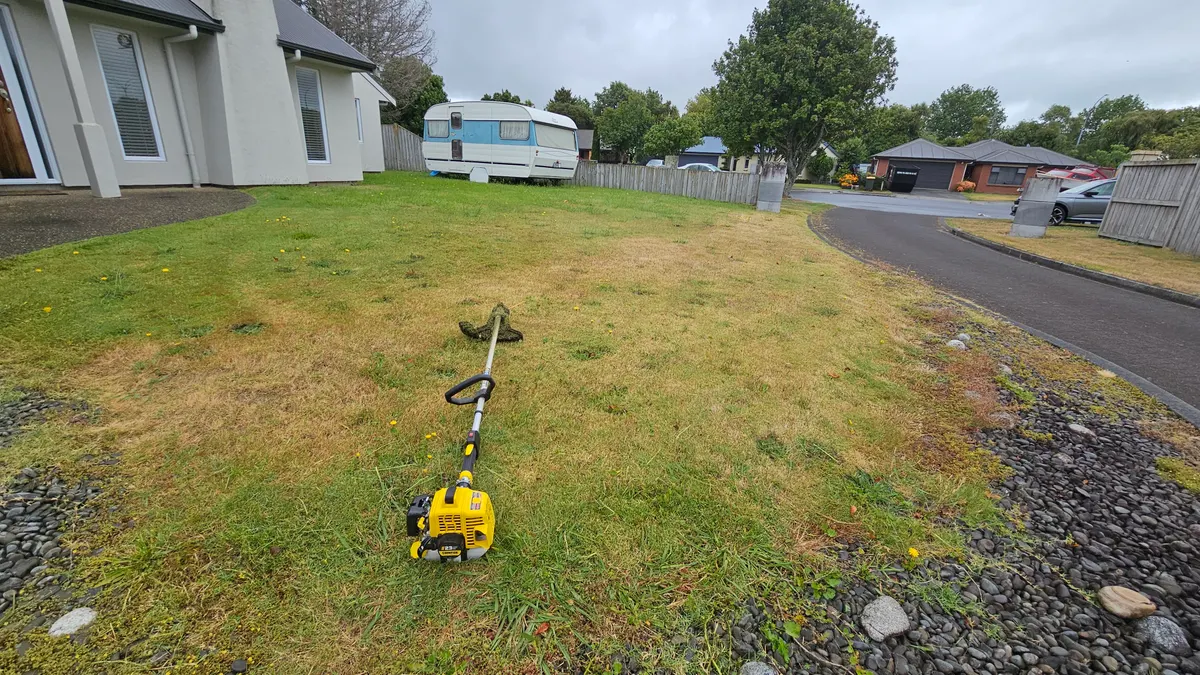
Red Flag 1: The Sudden Change of Heart
If the customer then decides that they want a regular visit.
This often happens right after you mention your one-off pricing. If you tell a caller that a one-off mow is $150 because of the height and the effort, but a regular visit is $60, they might suddenly “realize” they wanted a regular service all along. Be careful here. Try to find out if there is a reason for the mow. If they are only choosing “regular” to get a cheaper price on a jungle-sized lawn, they will likely cancel the moment the grass is short.
Red Flag 2: The “Property Inspection” Special
If they want the lawn cut for a property inspection, they say that they want a regular cut after that. (chances are they don’t.)
The “property inspection” or “end of lease” mow is the oldest trick in the book. The tenant is under pressure from the landlord and needs the place looking pristine for one day. They promise the world—fortnightly mows, hedge trimming, the lot—just to get you to show up and do the hard yards. If you are going to do the quote, be aware that the regular mow could fizzle out and price accordingly. Always price that first cut as a restoration job, not a maintenance job. If the regular work actually eventuates, that’s a bonus, but never bank on it.
Red Flag 3: The Over-Communicator
The customer contacts you many times about the job during the quoting process. This could turn out to be a very high-maintenance customer.
If you haven’t even seen the lawn yet and you already have four missed calls, three texts, and an email from the same person asking if you’re nearly there or what kind of blades you use, take a breath. This is a preview of the rest of your professional relationship. High-maintenance communication usually leads to high-maintenance expectations on the job. These are the clients who will call you at 7:00 PM on a Sunday to ask if you can come on Tuesday instead of Wednesday because they’re having a BBQ. Your time is valuable; don’t let a “Stage 5 Clinger” client drain your mental energy before you’ve even unloaded the mower.
Red Flag 4: The Locked Gate Guard
The customer has to be there when you call in. It is easier to call in when you are passing so we normally ask, “Do you need to be there when we quote?”
If they say that they have a locked gate and need to be there to unlock it, we then ask, “Can you leave the gate unlocked tomorrow?” If the customer cannot leave the gate unlocked, we ask what they plan to do with the regular cut. Will they be sorting out a key? If they say no, then we will pass on that one.
Efficiency is the secret to a profitable lawn business. If you have to wait ten minutes for a customer to finish a phone call and come outside to unlock a gate every time you visit, you are losing money. Over a year, those ten-minute delays add up to days of lost revenue. A customer who won’t give you access is a customer who doesn’t respect your schedule.
Red Flag 5: The “Time-Slot” Terror
The lawn needs to be done before or after a particular time. They work the night shift or something similar.
This can be worked around, but only if the window of time is before or after lunch and:
- It suits your schedule.
- It doesn’t change (alternating shifts can cause this).
- The window doesn’t get any smaller.
In the lawn care world, weather is our master. If you have a customer who says you must be there at 10:00 AM on Tuesday because their baby sleeps at 11:00 AM, what happens when it rains on Tuesday? If you can’t shift them to Wednesday without causing a domestic crisis, they aren’t a good fit for a weather-dependent business.
Red Flag 6: The “Ex-Factor”
The caller starts talking in great detail about how bad their last lawn-mowing guy was. A passing comment is okay, but details like this could be the sign of a customer that you will struggle to keep happy.
When a caller spends fifteen minutes trashing their previous contractor, pay close attention. Sometimes the previous guy really was a cowboy, but more often than not, the common denominator in a string of “bad” contractors is the customer. If they complain that the last guy “missed a spot under the rose bush” or “left a single blade of grass on the path,” they will eventually say the same things about you. You want clients who appreciate your work, not those who hunt for reasons to be dissatisfied.
Red Flag 7: The “On-Call” Trap
The caller asks, “Can I call you when I need you?”
The answer for us is yes, but it gets charged as a one-off job each time. We will not give a regular cut price. A business built on “on-call” clients is a business built on sand. You cannot plan your route, you cannot predict your income, and you cannot optimize your fuel usage. Regularity is what allows you to scale. If they want the luxury of an on-call service, they have to pay the premium one-off rate. Most of the time, once they hear the price difference, they either commit to a schedule or they move on to find someone else to bother.
Conclusion: Trust Your Gut
These are a few of the major ones that I try to pick up on the phone. By filtering these out during the initial call, you save yourself hours of driving and the headache of dealing with clients who don’t fit your business model. Remember, every “No” you say to a bad client is a “Yes” to a better one.
This post is getting a bit long, so I will write about the red flags when you arrive for the quote another time. Sometimes a lawn looks great on the phone but tells a different story once you’re standing on the curb.

34 years mowing lawns. Built it up to five vans and 450 contracts, then cut back to a 20-hour week on the best lawns. My story.
Want more lawns?
I build lawn care websites first, free. You see it live before you pay a cent.